
Harvard Mental Health Policy Lawsuit: Examining Claims of Discrimination हार्वर्ड मानसिक स्वास्थ्य नीति मुकदमे का विश्लेषण: भेदभाव के दावों की पड़ताल
Harvard University की मानसिक स्वास्थ्य नीतियों के खिलाफ दाखिल किया गया एक महत्वपूर्ण मुकदमा उच्चशिक्षा जगत में सुनवाई के केंद्र में है। यह मुकदमा छात्रों के द्वारा लगाए गए आरोपों पर आधारित है कि जब वे तकलीफ में थे, तो उन्हें जबर्दस्ती मेडिकल लीव पर भेज दिया गया और कड़ी शर्तों के अधीन वापस लाया गया। छात्रों का मानना है कि इन पॉलिसीज़ ने उनकी स्वतंत्रता और गोपनीयता का उल्लंघन किया। सुप्रीम कोर्ट से लेकर कांस्ट्रक्शन एडीए (ADA) तक, यह मामला शिक्षा जगत में मानसिक स्वास्थ्य और अधिकारों को फिर से परिभाषित कर सकता है। A landmark lawsuit against Harvard University's mental health policies has become the focal point of higher-education debate. Students allege they were forcibly placed on medical leave and subjected to restrictive conditions upon return. The suit contends these policies infringe on individual rights and privacy. From the Supreme Court to the Americans with Disabilities Act (ADA), this case could redefine mental health accommodations in academia.
निम्नलिखित लेख में हम Harvard के खिलाफ मुकदमे की मुख्य बिंदुओं, आरोपों, विशेषज्ञों की टिप्पणियों, और संभावित परिणामों पर विस्तार से चर्चा करेंगे। साथ ही जानेंगे कि ऐसे विषय UPSC, SSC, एवं बैंक परीक्षाओं में कैसे मददगार साबित हो सकते हैं। In the following article, we discuss the key points of the Harvard lawsuit, the students' allegations, expert opinions, and potential outcomes. We also explore how understanding such debates can benefit aspirants of UPSC, SSC, and banking exams.
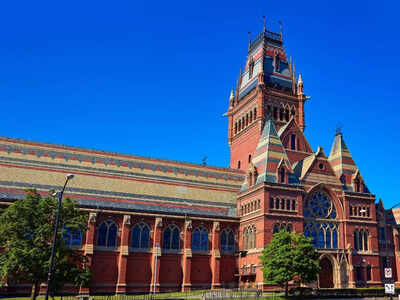
Image Credit: The Hindu
1. मुकदमे की पृष्ठभूमि | Background of the Lawsuit
मई 2025 में, Students 4 Mental Health Justice (S4MHJ) नामक एक छात्र संगठन ने Harvard University के खिलाफ मुकदमा दायर किया। उनका तर्क है कि जब भी छात्र मानसिक स्वास्थ्य संकट से गुजरते हैं, तो उन्हें "इंवॉलंटरी मेडिकल लीव" पर भेजा जाता है, और वापसी की शर्तें अत्यंत निगरानीपूर्ण और एकरूप (blanket) होती हैं। In May 2025, a student group called Students 4 Mental Health Justice (S4MHJ) filed suit against Harvard University. They argue that students experiencing mental health emergencies are placed on "involuntary medical leave," and reinstatement terms are overly surveillance-based and blanket in nature.
शिकायत में कहा गया है कि Harvard ने American Disabilities Act (ADA), Rehabilitation Act, और Fair Housing Act का उल्लंघन किया। संगठन धनराशि की मांग नहीं कर रहा, बल्कि पॉलिसीज़ में सुधार और नियमों को अधिक व्यक्तिगत आकलन (individualized assessment) पर केंद्रित करने की अपील कर रहा है। The complaint claims Harvard violated the Americans with Disabilities Act (ADA), Rehabilitation Act, and Fair Housing Act. The group seeks policy reform and individualized assessment protocols rather than monetary compensation.
2. छात्रों के अनुभव | Students' Experiences
2.1 दो महीने ER में, कैंपस वापसी पर रोक
एक छात्रा जिसे मुकदमे में Student B के रूप में पहचान दी गई है, ने बताया कि 2022 में suicidal thoughts साझा करने पर उन्हें McLean Hospital ER में भेजा गया। एक उपस्थित बैड न होने के कारण दो महीने तक ER में रहने पर मजबूर होना पड़ा। पीड़िता ने अपनी रिहाई के लिए बार-बार हॉस्टल प्रशासन से संपर्क किया, परंतु Harvard ने उन्हें तभी वापस आने दिया जब Administrative Board ने उन्हें "ट्रीटमेंट कॉन्ट्रैक्ट" साइन करवाया। One plaintiff, referred to as Student B, shared that after reporting suicidal thoughts in 2022, she was transported to McLean Hospital's ER. With no psychiatric beds available, she remained in the ER for nearly two months. Despite repeated requests, Harvard only allowed her campus return once she signed a "treatment contract" approved by the Administrative Board.
2.2 पर्यवेक्षण-संबंधी ट्रीटमेंट कॉन्ट्रैक्ट
ट्रीटमेंट कॉन्ट्रैक्ट में छात्र द्वारा नियमित थेरेपी, निर्धारित दवाओं का सेवन, शराब पर प्रतिबंध, और विश्वविद्यालय को मेडिकल रिकॉर्ड तक पहुंच देने का ब्योरा शामिल था। आरोप है कि ये नियम केवल मानसिक स्वास्थ्य मामलों पर लागू होते हैं, जबकि शारीरिक चोटों के लिए ऐसी शर्तें नहीं होतीं। The treatment contracts required ongoing therapy, adherence to prescribed medications, alcohol restrictions, and access to personal medical records. Plaintiffs argue these stipulations apply only to mental health cases, whereas physical illness-related leaves do not carry similar obligations.
3. कानूनी दावे और विशेषज्ञ राय | Legal Claims & Expert Opinions
मुकदमे में छात्रों का दावा है कि Harvard ने मामले-दर-मामला आकलन करने के बजाय blanket बैन लगाया। ADA के तहत, किसी छात्र को तभी कैंपस से वंचित किया जा सकता है जब वह दूसरों के लिए "प्रत्यक्ष खतरा" साबित हो। S4MHJ के अधिवक्ताओं का कहना है कि ऐसा कोई आंकलन नहीं किया गया। Plaintiffs claim Harvard imposed blanket bans rather than conducting case-by-case assessments. Under the ADA, a student can only be barred if proven a "direct threat" to others. S4MHJ attorneys assert no such individualized determination was made.
प्रमुख विशेषज्ञों ने टिप्पणी की:
- Professor Ruth Colker (Disability Law) – blanket bans वैधानिक रूप से गलत, जब तक प्रत्यक्ष खतरा न साबित हो।
"Blanket bans are legally baseless without a direct-threat finding." - Dean Laura F. Rothstein (Higher-Education Disability Policy) – Harvard ने डायग्नोसिस के आधार पर व्यवहार पहचानने की बजाय blanket नियम लगाए।
"Harvard acted on diagnosis instead of behavior." - Law Specialist Heather E. Cucolo – reported policies functionally a blanket ban, जबकि individual assessment का कोई रिकॉर्ड नहीं।
"These appear functionally as blanket bans without case-specific evaluations."
4. लंबित परिणाम और नीतिगत प्रभाव | Potential Outcomes & Policy Impact
यदि मुकदमे में छात्रों की बात मान ली गई, तो Harvard को न केवल अपने leave-of-absence नियमों में बदलाव करना होगा, बल्कि पूरे उच्चशिक्षा क्षेत्र में precedents बन सकते हैं। Yale और Princeton के मामलों में पहले ही नीतिगत संशोधन हुए हैं। S4MHJ का उद्देश्य ये सुनिश्चित करना है कि संकट से गुजर रहे छात्रों को समर्थन मिले, न कि सजा। Should the plaintiffs prevail, Harvard must revise its leave-of-absence rules, potentially setting new precedents across higher education. Yale and Princeton have already amended similar policies in past suits. S4MHJ aims for supportive accommodations, not punitive measures.
विशेषज्ञों का मानना है कि:
- कैंपस वापसी के लिए individualized medical clearances अनिवार्य हो जाएँगी।
- ट्रीटमेंट कॉन्ट्रैक्ट केवल बड़े जोखिमों के मामलों में सीमित रहेंगे।
- छात्रों की गोपनीयता और आत्मनिर्णय अधिकार मज़बूत बनाए जाएँगे।
5. UPSC, SSC एवं बैंक परीक्षाओं में प्रयोज्यता | Relevance for UPSC, SSC & Bank Exams
• नीति-निर्माण (Policy Making): ADA, Rehabilitation Act, Fair Housing Act जैसे अधिनियमों की समझ नीति निर्माण खंड में उपयोगी। • संवैधानिक कानून (Constitutional Law): निजी संस्थानों में अधिकारों और प्रतिबंधों का अध्य्यन अधिकारिता एवं संविधान भाग में सहायक। • सामयिकी (Current Affairs): उच्च अध्ययन नीतियाँ, छात्र कल्याण, राष्ट्रहित व मानवाधिकार जैसे विषय आमतौर पर पेपर में पूछे जाते हैं। • एसे प्रश्न (Essay Topics): मानसिक स्वास्थ्य और शिक्षा नीति पर निबंधों के लिए संदर्भ। • बैंक एग्जाम पैटर्न: रीजनिंग और अप्टीट्यूड सेक्शन में नैतिक-विचार, करंट अफेयर्स क्वांट और इंग्लिश विषय में विश्व स्कूलिंग नीतियों पर अंक। • SSC परीक्षा: सामान्य अध्ययन में मानवाधिकार और विधिक-नागरिक मुद्दों की पेनेट्रेशन कवर होती है। इस प्रकार, मौजूदा मुकदमा उच्च शिक्षण नीतियों, अधिकारों और सामाजिक न्याय क्षेत्रों में परीक्षा की तैयारी में बहुमूल्य संदर्भ प्रदान करता है। • Policy Making: Understanding ADA, Rehabilitation Act, and Fair Housing Act benefits the policy-making section. • Constitutional Law: Rights vs. restrictions in private institutions aids the constitutional law segment. • Current Affairs: Higher education policies, student welfare, human rights are frequently tested. • Essay Topics: Reference for essays on mental health and education policy. • Bank Exam Pattern: Reasoning & aptitude on ethical thinking, current affairs in quant, world schooling policies in English. • SSC Exams: General studies covers human rights and socio-legal issues. Hence, this lawsuit provides valuable case-study material for multiple competitive exams.
— लेख समाप्त — (Article Ends)
